
Article: WHY RED LIGHT THERAPY IS BECOMING A STAPLE IN MODERN WELLNESS ROUTINES
WHY RED LIGHT THERAPY IS BECOMING A STAPLE IN MODERN WELLNESS ROUTINES
As wellness routines continue to evolve, there is a growing shift away from quick fixes and towards practices that support balance, consistency, and long-term wellbeing. One therapy that has steadily moved from professional treatment rooms into everyday routines is red light therapy.
Once primarily found in clinics and specialist wellness spaces, red light therapy is now becoming a familiar feature in modern homes — valued for its simplicity, versatility, and calming presence.
What Is Red Light Therapy?
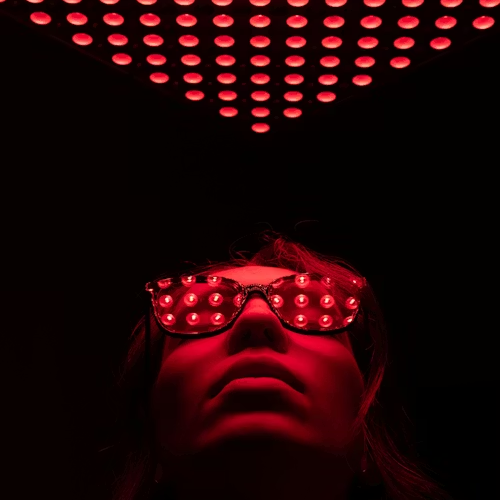
Red light therapy uses specific wavelengths of red and near-infrared light to create a gentle, non-invasive wellness experience. Rather than producing heat, the light is designed to be absorbed comfortably by the body, making it suitable for regular use as part of a balanced routine.
In spa and wellness environments, red light therapy is often used as a complementary treatment — pairing naturally with relaxation, recovery, and restorative rituals.
The Shift Toward Intentional Wellness
Modern wellness is no longer about extremes. Instead, people are seeking practices that can be integrated seamlessly into daily life. Red light therapy aligns perfectly with this mindset.
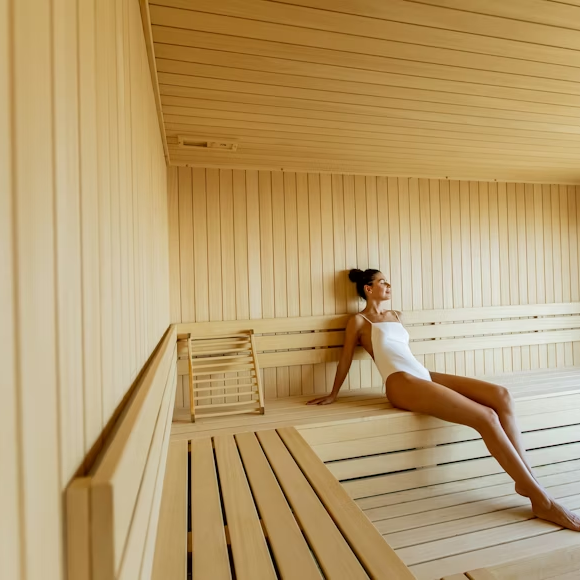
It requires no complex preparation, no intense physical effort, and no disruption to routine. A short session can be incorporated before or after other wellness practices such as sauna use, stretching, meditation, or simply unwinding at the end of the day.
This ease of use is a key reason red light therapy has become a staple rather than a trend.
A Natural Complement to Spa Living
In professional spa environments, red light therapy is valued for the atmosphere it creates. The soft glow encourages calm, presence, and relaxation — qualities that are central to the spa experience.
As more people recreate spa environments at home, red light therapy naturally follows. Whether used in a dedicated wellness room, alongside a sauna, or as part of an evening wind-down ritual, it enhances the overall sense of tranquillity.
Rather than standing alone, red light therapy works best when integrated into a broader wellness lifestyle.
Supporting Recovery and Relaxation
Many people are drawn to red light therapy for its role in recovery-focused routines. When paired with practices such as massage, compression therapy, or contrast bathing, red light therapy adds an extra layer of calm and restoration.
Its gentle nature makes it appealing to those who want supportive wellness tools that feel restorative rather than demanding. This makes it especially popular among individuals balancing active lifestyles with the need for rest and recovery.
The Appeal of Non-Invasive Wellness
One of the defining characteristics of modern wellness is a preference for non-invasive, low-impact practices. Red light therapy fits comfortably into this category.
Sessions are quiet, relaxing, and require little effort — making them accessible to a wide range of people. This simplicity has helped red light therapy move beyond niche wellness circles into mainstream routines.
As awareness grows, it is increasingly seen as a long-term lifestyle choice rather than a temporary solution.
Red Light Therapy at Home
Advances in design and technology have made red light therapy more accessible for home use than ever before. Today’s devices are crafted to suit modern interiors, with clean lines and thoughtful design that reflect the aesthetics of contemporary spa living.
This shift has made it easier for individuals to create personalised wellness spaces that feel intentional, calming, and refined — without relying on external appointments or schedules.
A Wellness Ritual That Encourages Consistency
Perhaps the greatest reason red light therapy has become a staple is its ability to encourage consistency. Wellness practices only offer value when they are used regularly, and red light therapy’s ease and comfort make it easy to return to.
By creating moments of stillness and routine, it supports a more mindful approach to health — one focused on balance rather than intensity.
Embracing a Balanced Approach to Wellness
Red light therapy reflects a broader change in how we approach wellbeing. It is not about chasing results, but about creating environments and routines that feel supportive, calming, and sustainable.
As part of a modern wellness routine — alongside saunas, ice baths, massage, and relaxation practices — red light therapy helps create a sense of rhythm and intention in everyday life.
Final Thoughts
The rise of red light therapy is not driven by hype, but by its ability to fit naturally into modern lifestyles. Its gentle, non-invasive nature and compatibility with spa-inspired routines have made it a lasting feature in both professional and home wellness spaces.
As more people seek balance, calm, and consistency, red light therapy continues to earn its place as a cornerstone of modern wellness living.